- Call Us: +(92) 300 099 9528
- Email: info@albakhtquran.com
Non-oil economic diversification, Gulf
Introduction
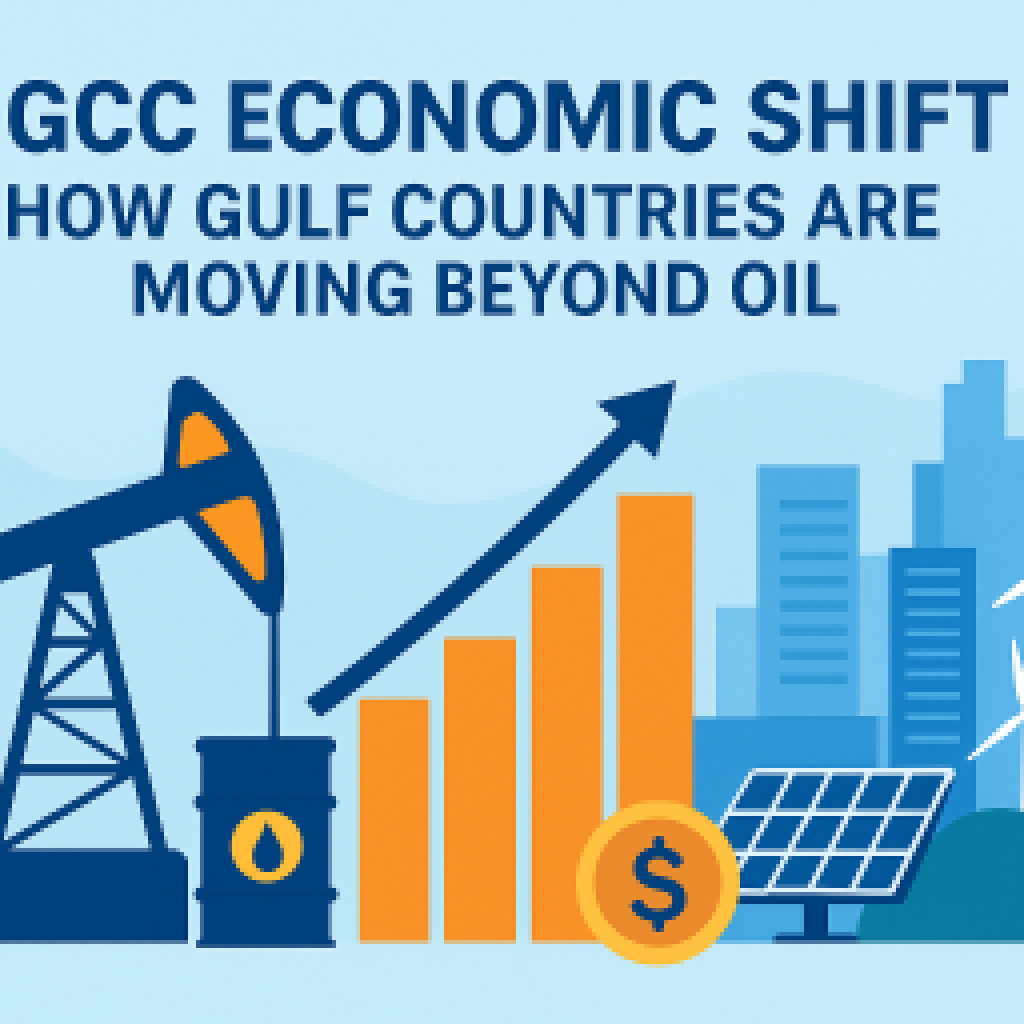
The Gulf region is undergoing a major economic transformation. With oil markets in flux and global demand shifting, Gulf states are placing increasing emphasis on non-oil economic diversification — a long-term strategy designed to build sustainable growth and reduce reliance on fossil fuels. This change is reshaping how the Gulf economies operate, and it’s a trend worth watching closely.
1. Economic Diversification in Full Swing
GCC countries have recognized the risk posed by volatile oil prices and are actively investing in alternative sectors:
- According to a recent World Bank report, GCC growth in 2025 is expected to be driven by strong performance outside the oil sector. worldbank.org+1
- Non-oil sectors like tourism, logistics, technology, and green energy are gaining momentum as Gulf nations pursue bold visions for their future. PwC+1
- This is aligned with national reform plans like Saudi Vision 2030 and similar diversification policies in other GCC states. The Word 360
2. Innovation Powering the Gulf’s Transformation
Beyond traditional diversification, the Gulf is also betting on innovation:
- Governments in the GCC are embracing disruptive technologies — AI, digital transformation, biotech — to build knowledge-based economies. World Economic Forum
- Smart city infrastructure, green energy projects, and regional collaborations are driving long-term economic change. gulfarticles.com+1
- For example, the Gulf Blue Carbon Network, a pioneering initiative in Qatar and the UAE, aims to restore and protect coastal ecosystems like mangroves to both tackle climate change and boost economic sustainability. Grc+1
3. Challenges on the Path Ahead
The road to a sustainable, diversified economy doesn’t come without obstacles:
- Many Gulf economies still rely heavily on oil export revenues; the energy transition remains difficult and expensive. programs.grc.net
- Infrastructure investment, environmental concerns, and geopolitical risks continue to pose real challenges for long-term sustainability. gulfarticles.com+1
- Water scarcity is a growing concern: GCC nations depend heavily on energy-intensive desalination while managing limited freshwater resources. Grc
Conclusion
The Gulf’s current push toward non-oil economic diversification is both ambitious and essential. By investing in technology, green projects, and regional cooperation, GCC nations are trying to future-proof their economies while addressing the environmental and social challenges of tomorrow.
This transformation isn’t just economic — it’s a vision for a sustainable Gulf, rooted in innovation and long-term resilience.
Copyright 2025, All Rights Reserved
Leave Your Comments